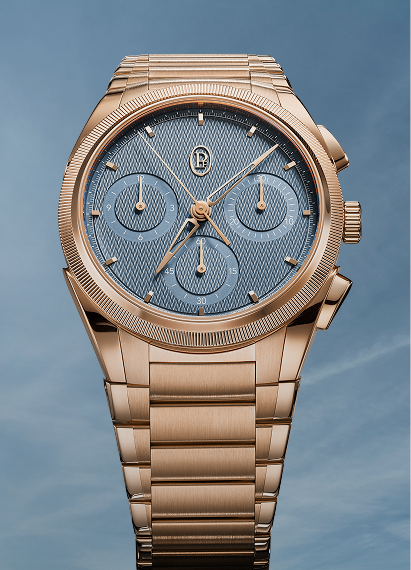
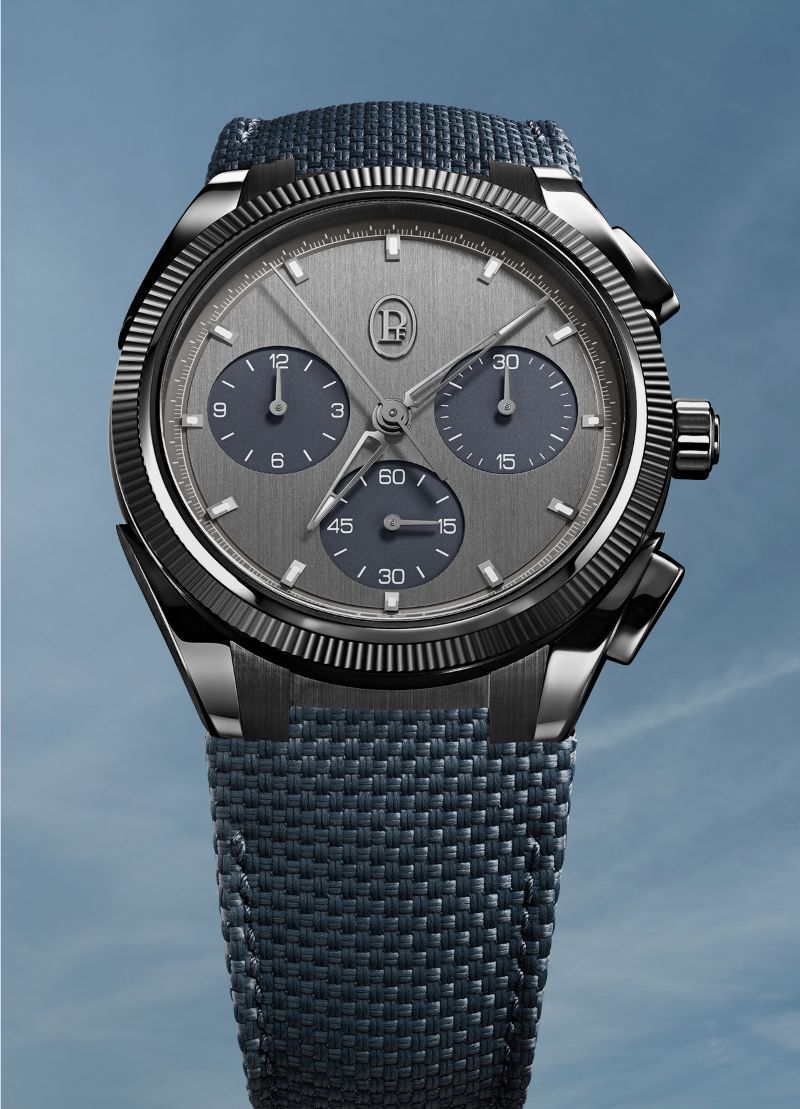
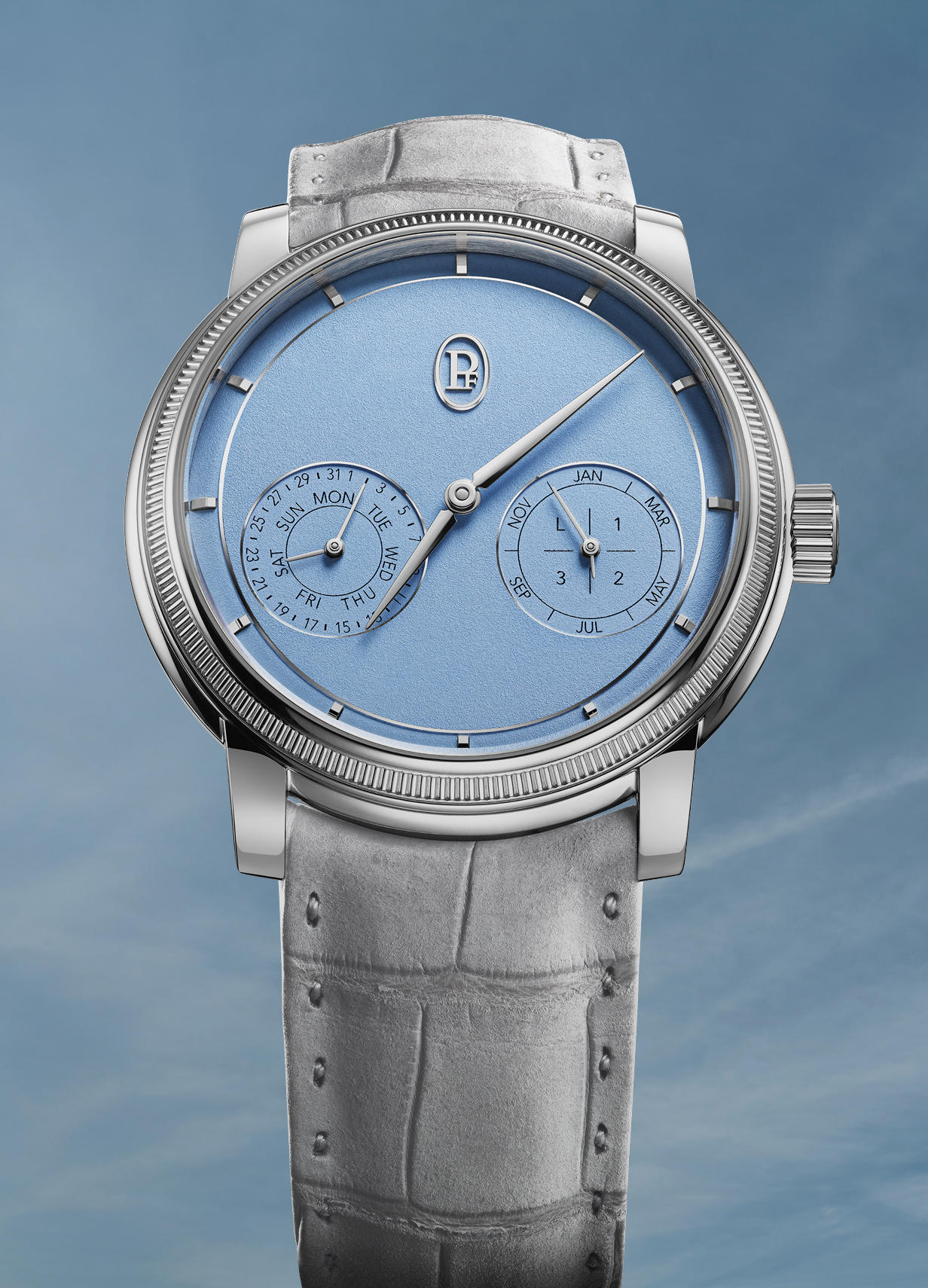
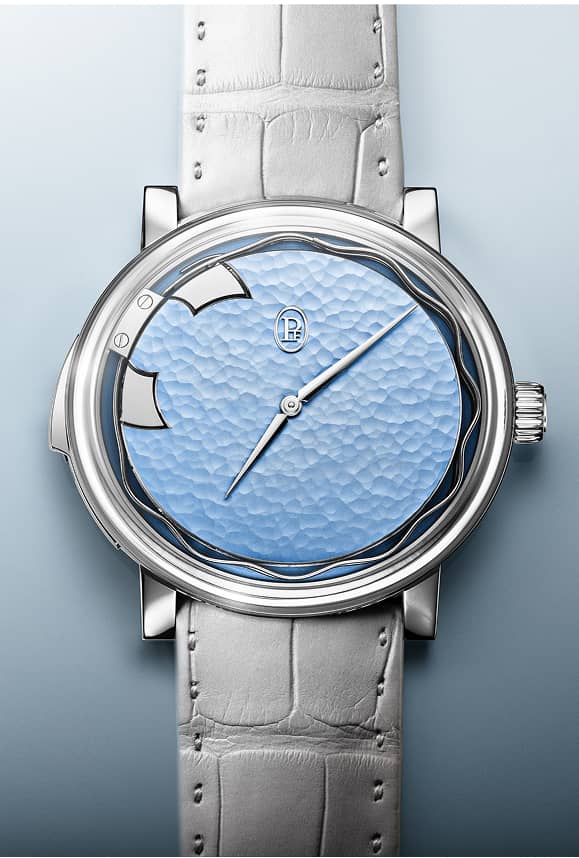
As Swiss watchmaking consolidates around a shrinking group of dominant names, the chief executive of Parmigiani Fleurier makes the case for a different kind of desirability — one built not on visibility, but on discernment.
Swiss watchmaking has rarely felt the pressure of its contradictions quite so acutely as it does today. The industry is simultaneously concentrating and diversifying, contracting in volume while expanding in value, consolidating around a handful of dominant names while a new wave of collectors goes looking for alternatives to the obvious.
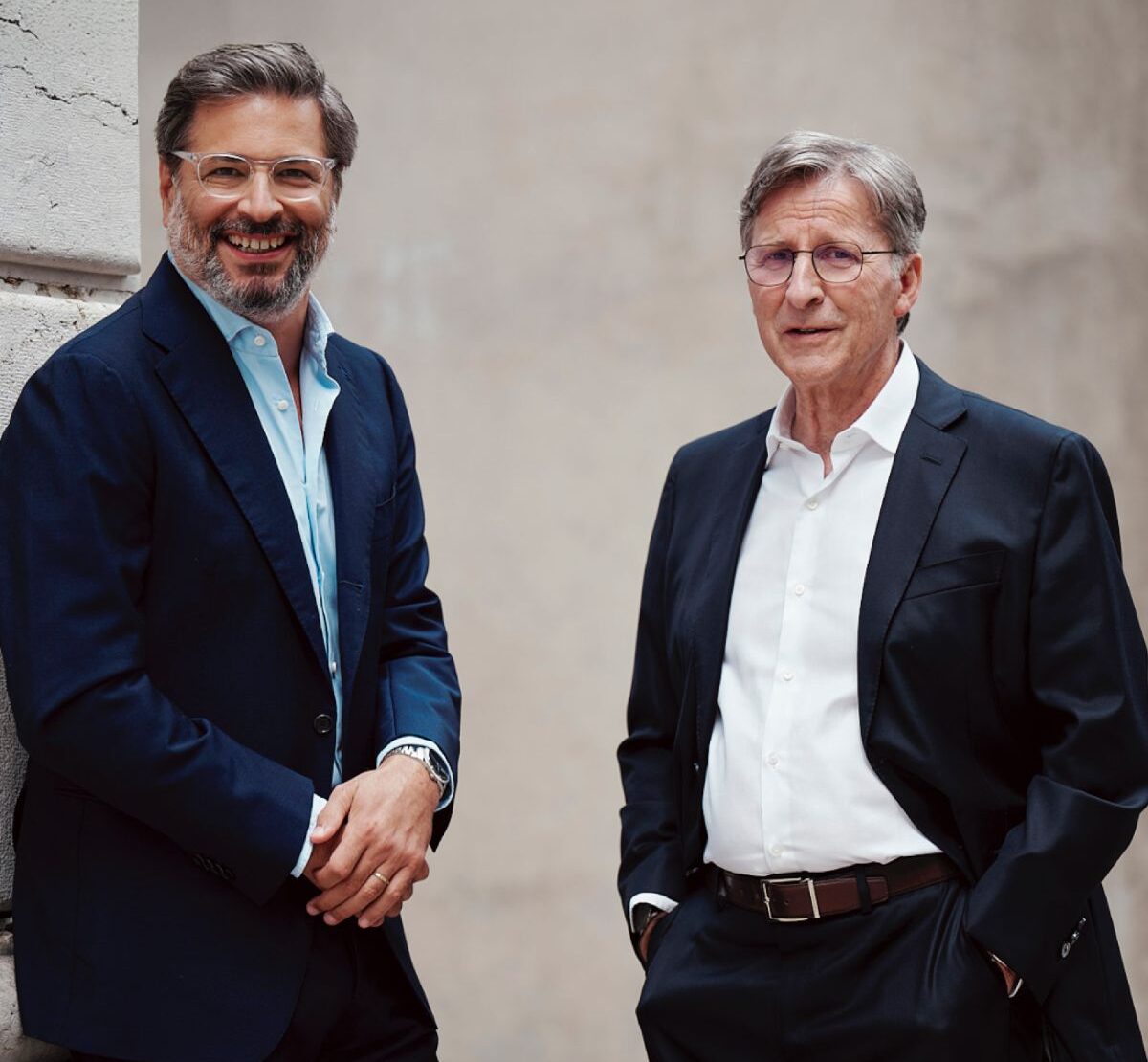
Into this landscape steps Guido Terreni, one of the more analytically rigorous CEOs in the business, who sat down with Robin Swithinbank on a recent episode of The Luxury Society Podcast to discuss the relaunch of Parmigiani Fleurier, his philosophy of private luxury, and what he believes brands must do to endure beyond the current moment of turbulence.
Private Luxury as a Genuine Position, Not a Trend
Guido Terreni champions “Private Luxury” as the defining philosophy of Parmigiani Fleurier, a concept that speaks not only to the Maison’s design and craftsmanship, but also to the values and aspirations of the audience it seeks to serve. It is a distinction that, in the wrong mouth, might read as a branding exercise, but in his comes across as something more considered: the difference between quiet luxury as a passing aesthetic and private luxury as a durable value system.
The former, he suggests, has already been co-opted. The moment a brand begins to present its restraint, it is no longer restrained. “Quiet became a trend, and private luxury is not a trend. Private luxury has always been there and always will be there. So if quiet luxury today is a trend, you are picking up those values that are opposite to quiet luxury. So you don’t want to show that you’re quiet. If you’re showing you’re quiet, you’re not quiet.”
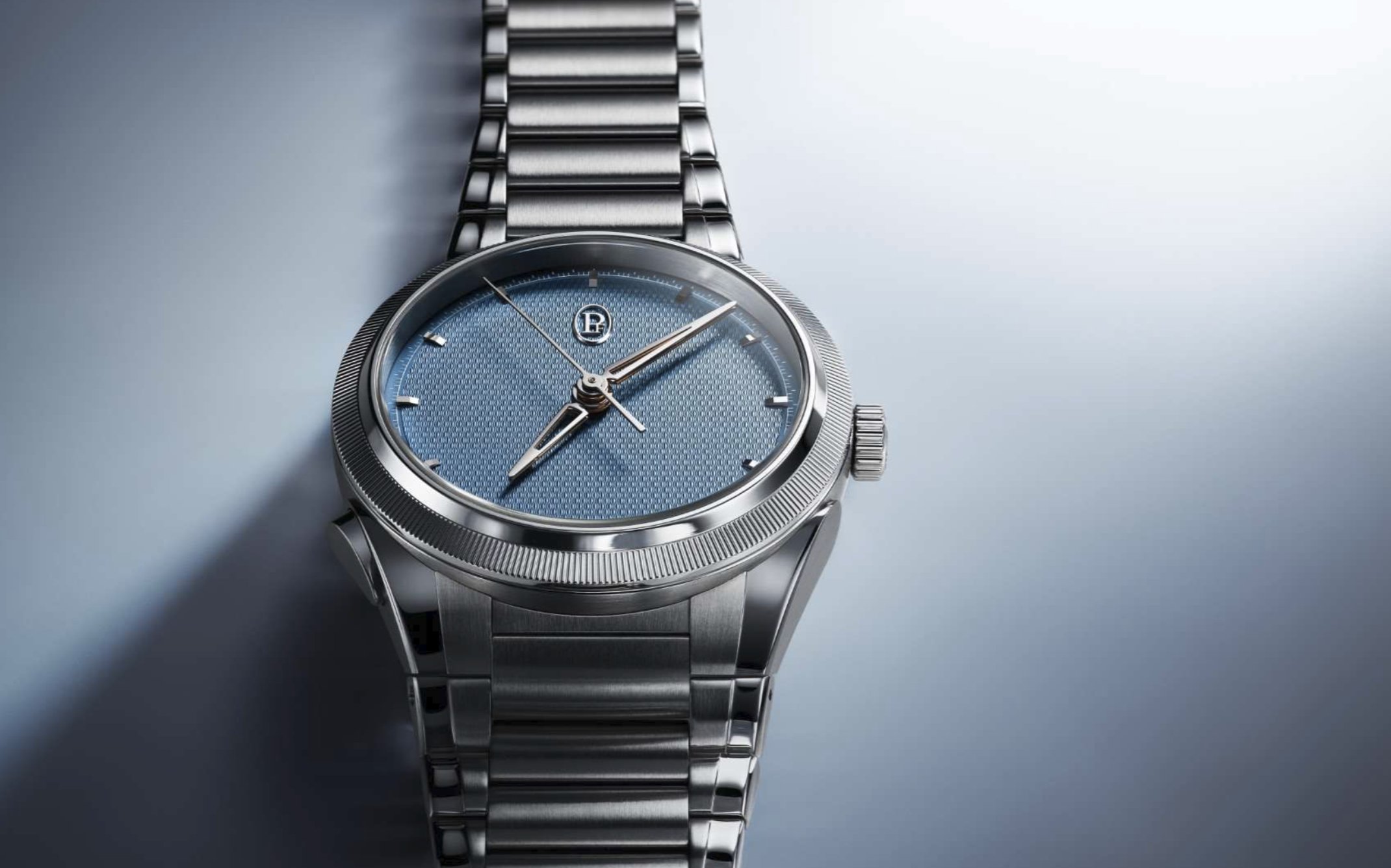
By his observation, his clients have moved past the need for social signalling altogether. The watch is made for its owner. The logo is taken off the dial. Desire is rooted in discernment, in craft, mechanical ingenuity and refined aesthetics, not in scarcity or hype.
This framing matters because it runs against the logic that has shaped the industry’s most visible success stories. According to the Morgan Stanley – LuxeConsult Swiss watch study for 2025, the four largest privately owned brands: Rolex, Patek Philippe, Audemars Piguet and Richard Mille, had captured a combined 51% of the market, up from 36.8% in 2019, a concentration that has continued to intensify in a wary climate. “Luxury should be about being interesting” Terreni addresses “That is part of how you address the pleasure of excellence and have a pleasure of enjoying sophistication and differentiating yourself”
The private luxury client, as he describes them, is someone who has passed the tipping point of seeking social recognition. They are characterised not by wealth but by what he calls a maturity of values: the capacity to buy for intrinsic pleasure rather than for the approval of others. This, Terreni is careful to note, is not an age-related quality. “You could be private at 20, at 15, depending on how you’re brought up,” he says. The lens through which every product and distribution decision at Parmigiani is made flows directly from this premise.